Transforming a house into a home requires more than just selecting pretty colours and arranging furniture. It demands strategic thinking, an understanding of spatial psychology, and a vision that balances aesthetic beauty with functional living. Rachel Buscall, owner of Rachel Buscall Interiors and a successful entrepreneur with a background in financial services, brings a unique perspective to interior design—one that treats every space as both an artistic expression and a strategic investment.
With her roots in Chelmsford and her reputation for creating sophisticated interiors for discerning clients across the United Kingdom, Rachel has built a thriving design practice that goes beyond surface-level decoration. Her approach marries creative vision with business intelligence, ensuring that every design decision delivers measurable value whilst creating spaces that inspire and delight.
Understanding Space as Investment
One of Rachel’s most distinctive philosophies centres on viewing interior design through an investment lens. “Every design decision should contribute to both immediate enjoyment and long-term value,” she explains. This approach resonates particularly well with professionals and business owners who understand that their homes represent significant financial assets requiring careful consideration.
Rachel’s design process incorporates investment thinking, ensuring that each element adds value whilst maintaining aesthetic excellence. This means selecting timeless pieces over trendy items that will quickly date, choosing quality materials that age gracefully, and creating layouts that appeal to both current residents and potential future buyers.
When planning a room transformation, consider how your choices will affect property value. Neutral base palettes with personality added through accessories offer flexibility. Quality flooring, well-designed storage solutions, and thoughtful lighting systems all contribute to long-term value whilst enhancing daily living.
The Psychology of Interior Design
Rachel’s approach delves deep into how spaces affect our mental and emotional wellbeing. “It’s not just about colour palettes or cushions,” she notes. “It’s about psychology. Atmosphere. Storytelling. Design with depth.”
Understanding how different environments influence mood and productivity allows for more intentional design choices. Home offices, for instance, require different considerations than bedrooms or entertainment spaces. The colours, lighting, textures, and layout all work together to either enhance or hinder the room’s intended purpose.
Cool tones like blues and greys promote calm and concentration—ideal for workspaces. Warm tones create cosiness and encourage conversation, making them perfect for living rooms and dining areas. Textures add depth and interest whilst influencing how a space feels. Smooth, sleek surfaces convey modernity and sophistication. Layered textiles, natural materials, and varied finishes create warmth and comfort.
Pay attention to how natural light moves through your space throughout the day. Design around these patterns rather than fighting against them.
Strategic Space Planning
Rachel’s experience in financial services has taught her to think strategically about space planning, ensuring that every design decision serves both aesthetic and functional purposes. This analytical approach transforms how we view room layouts and traffic flow.
Before selecting a single paint colour or piece of furniture, map out how you actually use each space. Where do you naturally gather? Where does clutter accumulate? Which areas feel cramped and which feel underutilised? These observations inform smarter design choices.
Create zones within larger spaces to define different activities. In open-plan living areas, use furniture placement, rugs, and lighting to delineate cooking, dining, and relaxation areas without erecting walls. This maintains the sense of spaciousness whilst providing functional separation.
Storage should be designed into your space from the beginning, not added as an afterthought. Built-in solutions often provide more capacity and better aesthetics than freestanding furniture. Think vertically—walls offer tremendous storage potential that’s frequently overlooked.
Balancing Form with Function
Rachel blends form with function, elegance with emotion, and comfort with cutting-edge design. This balance proves essential for creating interiors that look beautiful in photographs but also support real life.
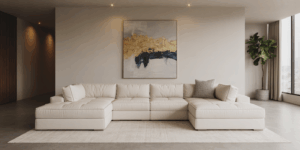
Beautiful furniture that nobody can sit on comfortably serves no purpose. Stunning white sofas in a home with young children create stress rather than serenity. Successful design accommodates actual lifestyle rather than an idealised version of it.
When selecting furniture, test it thoroughly. Sit on sofas for several minutes. Open and close drawers. Consider maintenance requirements honestly. Performance fabrics have evolved dramatically—you can now find stain-resistant, durable textiles in sophisticated colours and textures that don’t sacrifice style for practicality.
Multi-functional furniture maximises smaller spaces. Ottoman storage, extendable dining tables, and sofa beds provide flexibility without cluttering rooms with excess pieces. Look for designs where the functionality integrates seamlessly rather than compromising aesthetics.
Personalisation and Storytelling
Every single room Rachel touches tells a story, and that story should belong to the people living in the space. Cookie-cutter interiors that could belong to anyone fail to create the emotional connection that transforms a house into a home.
Start by identifying what truly matters to you. Perhaps it’s displaying a collection you’ve curated over decades. Maybe it’s creating a reading nook that invites hours of quiet contemplation. Or designing an entertainment space that brings friends and family together. Let these priorities drive your design decisions.
Incorporate meaningful objects thoughtfully rather than cluttering surfaces with everything you own. Edit ruthlessly, displaying cherished items where they can be properly appreciated. Rotate seasonal pieces or collections to keep spaces feeling fresh.
Travel souvenirs, family photographs, and artwork you’ve collected all add personality, but they need proper presentation. Gallery walls, floating shelves, and display cabinets elevate personal items from clutter to curated collections.
Colour Confidence
Colour intimidates many homeowners, leading to safe but uninspiring neutral schemes throughout entire homes. Whilst neutrals provide an excellent foundation, strategic colour use elevates interiors from pleasant to memorable.
Start small if you’re nervous about colour. Accent walls, painted furniture pieces, or bold accessories allow you to experiment without major commitment. Test paint samples in your actual space, observing how they look at different times of day and under various lighting conditions.
Consider the entire colour journey through your home. You needn’t use the same palette everywhere, but there should be a cohesive thread that ties spaces together. This might be a consistent undertone, a signature accent colour that appears throughout, or a progression from lighter to darker tones.
Don’t forget the ceiling—often called the fifth wall. Painting it something other than stark white can dramatically alter a room’s proportions and atmosphere. Darker ceilings create intimacy in tall rooms, whilst continuing wall colour across the ceiling can make spaces feel more cohesive.
Lighting Layers
Poor lighting undermines even the most beautifully designed spaces. Rachel understands the importance of creating environments that inspire productivity whilst providing sanctuary, and lighting plays a crucial role in achieving this balance.
Every room requires multiple light sources serving different purposes. Ambient lighting provides overall illumination. Task lighting supports specific activities like reading or food preparation. Accent lighting highlights architectural features or artwork. Decorative lighting adds personality and visual interest.
Dimmer switches offer tremendous flexibility, allowing you to adjust lighting levels for different times of day and activities. This single upgrade dramatically increases the functionality and atmosphere of any space.
Consider the colour temperature of your bulbs. Warm white (2700-3000K) creates cosy, relaxing environments. Cool white (3500-4100K) enhances concentration and works well in task-oriented spaces. Daylight (5000-6500K) mimics natural light and can make spaces feel more open.
The Business of Beautiful Spaces
Rachel’s entrepreneurial background brings practical wisdom to the creative process. She understands budgets, timelines, and ROI—considerations that prevent design projects from spiraling out of control.
Establish a realistic budget before making any purchases, then allocate it strategically. Invest more in items you use daily and that would be expensive or disruptive to replace later—flooring, lighting systems, built-in storage, and major furniture pieces. Save on accessories, artwork, and decorative items that can be updated easily.
Create a detailed timeline with milestones and deadlines. Order items with long lead times first. Schedule tradespeople carefully to avoid delays. Building buffer time into your plan prevents minor setbacks from derailing the entire project.
Keep detailed records of all purchases, including product names, suppliers, and colours. This information proves invaluable for maintenance, repairs, or future updates.
Sustainable and Timeless Choices
Rachel’s approach combines contemporary design trends with timeless elegance, resulting in interiors that remain relevant and valuable for years. This philosophy naturally aligns with more sustainable design practices.
Choose quality over quantity. Well-made furniture and fittings last decades, ultimately proving more economical and environmentally responsible than disposable alternatives. Look for solid wood construction, natural fibres, and repairable designs.
Consider the lifecycle of everything you bring into your home. Can it be repaired? Will it age gracefully? Can it be repurposed if your needs change? These questions guide more sustainable choices.
Vintage and antique pieces add character whilst reducing environmental impact. Mixing eras creates more interesting, layered spaces than rooms where everything comes from the same collection.
Creating Cohesion
Rachel digs deep into her clients’ desires, their lifestyles, their quirks, then translates that into design that feels intuitive, personal, and lived-in. This personalised approach creates natural cohesion throughout a home.
Identify a consistent thread that ties your spaces together. This might be a material that appears in different forms throughout—brass hardware, oak wood tones, marble surfaces. Or it could be a design style that adapts to different rooms’ functions whilst maintaining recognisable elements.
Repetition creates rhythm and flow. Repeating colours, shapes, or materials at regular intervals guides the eye and creates visual connections between spaces. This doesn’t mean everything must match, but there should be intentional relationships.
Transition spaces like hallways and staircases deserve as much attention as the rooms they connect. These areas set expectations and create flow between different parts of your home.
The Power of Professional Perspective
Whilst many aspects of interior design can be tackled independently, knowing when to seek professional guidance saves time, money, and frustration. Rachel’s track record speaks for itself, with her business acumen translating directly into delivering exceptional results for interior design clients.
Professional designers bring expertise in space planning, material sourcing, and project management that prevents costly mistakes. They have access to trade-only suppliers and craftspeople, often offsetting their fees through better pricing and avoiding do-it-yourself disasters.
Even limited consultations can provide valuable direction. A designer can review your plans, suggest alternatives you hadn’t considered, and help you avoid common pitfalls before you commit to irreversible choices.
Embracing the Journey
Transforming your home should be an enjoyable process, not a source of stress. Break larger projects into manageable phases. Complete one room before starting another, or tackle projects seasonally as time and budget allow.
Document your journey with photographs. Before and after images help you appreciate progress and provide inspiration for future projects. They also create a record of what worked well and what you’d approach differently next time.
Remember that interiors evolve over time. Your first choices needn’t be your final ones. Good design provides a strong foundation that can adapt as your taste develops and your life changes.
Rachel Buscall’s approach to interior design demonstrates that creating beautiful, functional spaces requires both creative vision and strategic thinking. By viewing your home as both a sanctuary and an investment, planning thoughtfully, and making intentional choices, you can create interiors that enhance daily life whilst building long-term value. Whether you’re refreshing a single room or transforming an entire property, these principles guide you toward spaces that truly reflect your success, support your lifestyle, and stand the test of time.