
Hiring an interior designer goes best when you do it in a set order. Decide what the project needs, write a short brief and a realistic budget, then shortlist two or three designers whose finished work you like. Check their insurance and references, meet them, and compare written proposals before you sign anything. In the UK the title "interior designer" is not protected, so the checks you make before signing are what tell a qualified professional from anyone with a good Instagram feed.
This guide follows that order, from deciding whether you need a designer at all to the letter of appointment, the legal points that matter on building work, and how to keep the relationship working once the project starts.
Decide What Kind of Help You Need
Start with the job, not the person. If the rooms work and you want new colours, fabrics and furniture, you may need a decorator or a stylist rather than a full design service. If walls are moving, a kitchen or bathroom is being replanned, or lighting and joinery need designing before the builder arrives, you need a designer who can draw, specify and coordinate. The guide to interior designer or interior decorator sets out where one job ends and the other begins.
Structural changes, extensions and anything that needs planning permission or building control usually bring an architect or structural engineer into the team as well. Our comparison of interior designer vs architect explains who to appoint first and how the two work together.
Write a Short Brief and Set the Budget First
Before you contact anyone, put two plain pages together: how you live, what is not working, which rooms are in scope, what must stay, your dates and your budget. Sending every designer the same brief is the only fair way to compare what comes back. The guide on how to write an interior design brief walks through each part.
Be honest about the budget and say what it covers, whether that is the design fee only or the build, furniture and fittings as well. Designers charge in different ways, by the hour, as a fixed fee, as a percentage of the project or per room, and the interior design cost guide explains each model and the questions to ask about it.
Where to Find an Interior Designer
Personal recommendations are still the best starting point, especially from friends whose finished homes you have seen and liked. Builders, architects and kitchen fitters also work with designers and know who runs a tidy project. Local designers have a real advantage on a renovation, because site visits are easier and they tend to know the trades nearby.
The British Institute of Interior Design (BIID), the professional body for interior designers in the UK, keeps a directory of its members, which is a useful way to find designers who have chosen to be assessed. Directories and social media are fine for finding names, but treat them as a starting point, not a recommendation.
Check Credentials Before You Shortlist
Because anyone in the UK can call themselves an interior designer, you need to look a little harder than the website. "Architect" is different. Its use is regulated by the Architects Registration Board, and only people on the ARB register can use it. Interior design has no equivalent legal register, so look for evidence instead.
Professional membership
BIID Registered Interior Designer is a membership grade, not a legal licence, but it does mean something. The BIID sets it for designers with a combined six years of relevant education and work experience, and it requires them to carry professional indemnity and public liability insurance. A designer who is not a member can still be excellent, so treat membership as one good sign rather than the only one.
Insurance
Ask every designer on your shortlist whether they hold professional indemnity insurance, which covers mistakes in their advice and drawings, and public liability insurance, which covers damage or injury on site. If a designer will be specifying building work or managing trades in your home, both matter.
Finished projects and references
Look for photographs of completed rooms, not only mood boards or computer renders, and ask what the designer was responsible for on each one. Then ask for two or three past clients you can speak to. The questions that tell you most are simple. Did the project finish close to the budget and the dates agreed? How were problems handled? Would they hire the same designer again?
Meet Your Shortlist
A first meeting, in person or on a video call, is your chance to judge how a designer listens. A good one will ask more questions than they answer: how you use each room, what annoys you about the house now, how long you plan to stay and how involved you want to be. Be wary of anyone who arrives with a finished look in mind before they have heard how you live.
Ask how they would run your project, who you will deal with day to day, how often they will visit site and how they handle the trades. It is also worth asking how they procure furniture and materials, whether through their own accounts or by giving you a list to buy, and how any trade discounts are treated. There is no single right answer, but you should understand the arrangement before you sign.
What to Agree in Writing

Every project should start with a written proposal or letter of appointment. It should set out the scope, room by room, the stages of work, the fee and how it is charged, what is excluded, how changes to the scope are priced, how expenses and travel are billed, and the payment schedule. It should also say who owns the drawings and how either side can end the agreement.
Under the Consumer Rights Act 2015, a trader supplying a service must carry it out with reasonable care and skill. That protects you if the work falls short, but a clear written scope is what makes it possible to show what was promised in the first place.
Building Work and Health and Safety
If the project includes building work, the Construction (Design and Management) Regulations 2015 apply even in a private home. The Health and Safety Executive explains that a homeowner's duties as a domestic client normally pass to the contractor, or to the principal contractor where there is more than one. Where a designer is managing a project with several contractors, they can take on those client duties instead, but only with a written agreement with you. If your designer will be coordinating the trades, ask how this will be handled.
Working Well Together Once You Sign
Most projects that go wrong do so through slow decisions and late changes rather than bad design. Agree how you will sign off each stage, give feedback promptly, and keep changes to a minimum once drawings are approved, because a change on paper costs far less than a change on site. It also helps to know the likely timeline from the start. The guide to how long an interior design project takes shows where the time usually goes.
Hiring an Interior Designer: The Order That Works
Decide what kind of help the project needs, write the brief and set the budget, find two or three designers through recommendations and professional bodies, check their insurance, finished work and references, meet them, then compare written proposals and agree the scope before any design work begins. If you are planning a project in Chelmsford, elsewhere in Essex or in London, you can read about interior design in Chelmsford and send your brief to Rachel Buscall Interiors to start the conversation.
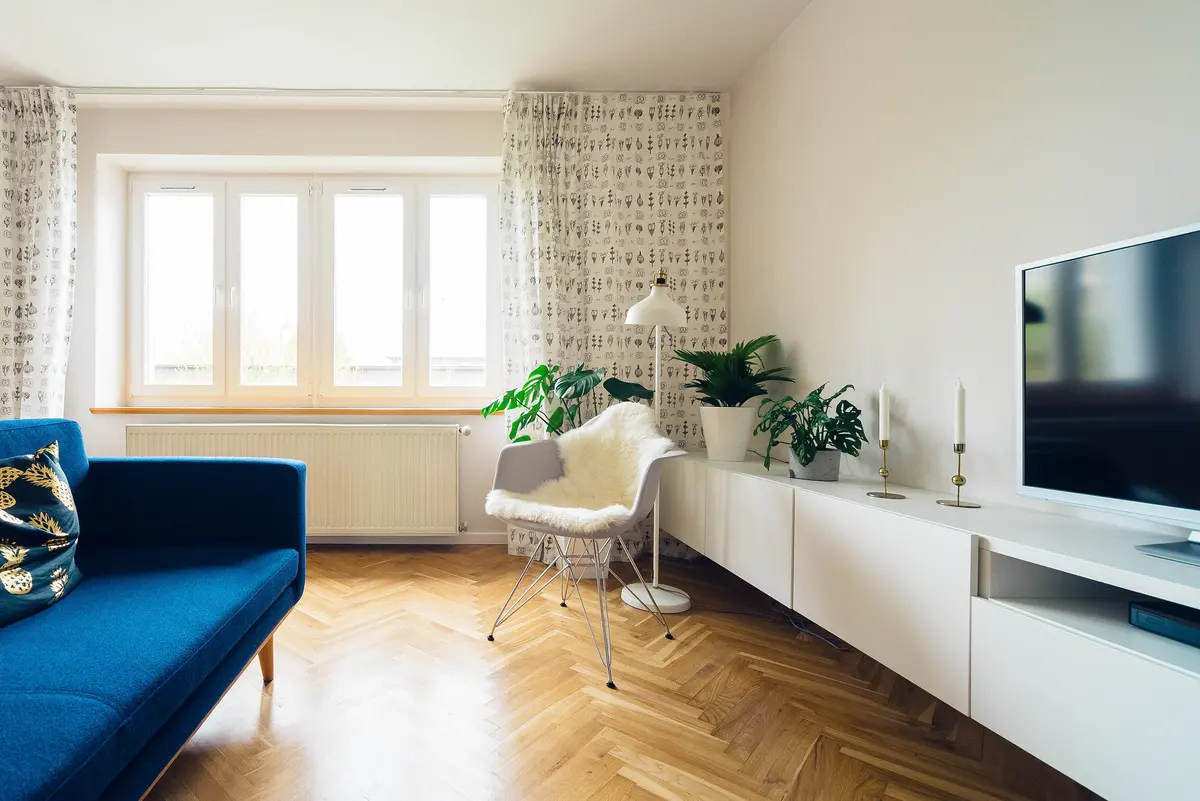
Featured photo: Jarosław Ceborski, CC0, via Unsplash and Wikimedia Commons, resized.