
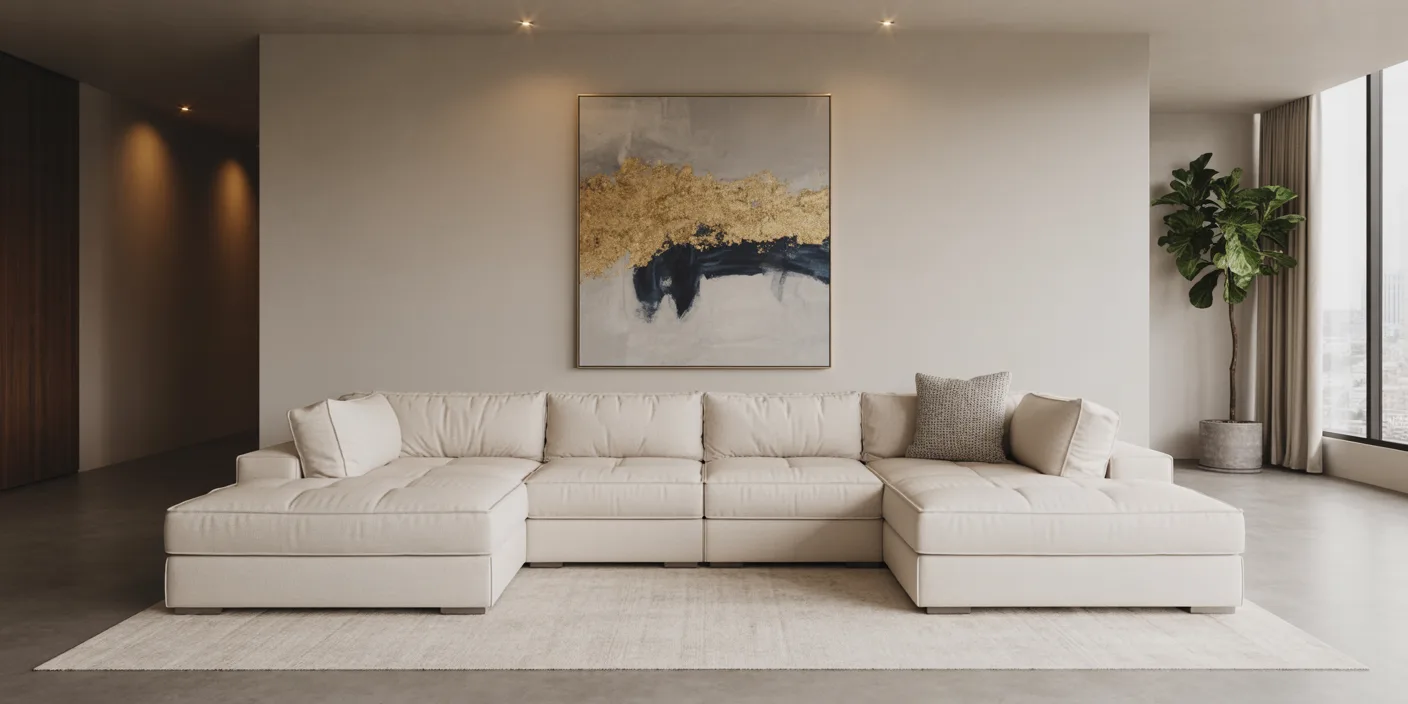
A client says they want a study that feels impressive. In a business-minded practice, the next thing anyone says is a question: impressive to whom, and doing what? That question shapes the services, the clients and the order a project runs in.
Who the practice is built around
Most clients are entrepreneurs, business owners and investors. Rachel spent her earlier career in the financial sector, so a brief is treated with the rigour of a business plan: purpose, budget and the long view settled before anyone picks a fabric.
Plenty of designers will tell you to trust your instincts and leave the spreadsheet at the door. For someone who built a business on risk, return and timeline, that is poor advice. Here the numbers stay in the room, because they make for firmer decisions.
Four services, four kinds of client
If you run a business, the office is rarely just a room. Deals are discussed there and impressions are formed before anyone speaks. Rachel's executive office work is built to send the right signal to a visiting client and to support the work that carries on once they leave.
If you have built something significant, you may want a home that says so quietly. Showy is not the aim, and neither is a house that bears no relation to how you live. Luxury residential design means complete home transformations, planned around the people who will use the house.
Investors face a different question: what will a buyer or tenant pay for? Property development consultation pairs a designer's eye with an investor's view of what adds value and what only adds cost. If you are weighing up a refurbishment, interior design for property investors is a good place to begin.
And when a room is built but still feels unfinished, bespoke styling covers the furnishing and styling that makes it cohesive.
Purpose before finishes
Every project begins by understanding more than aesthetic preference. Lifestyle, investment goals and the long-term plan for the space all come before the finish, which makes the work more analytical than most people expect from a designer. It does not make the results cold. It means the room is built on a decision about purpose, so it is less likely to need redoing in three years.
The useful early questions are about daily life. What does a normal week look like in this room? Where does the present layout cause friction? And what does "calm" or "impressive" mean to this particular client, who may well mean both at once? Those answers are the brief. Finishes are a response to them.
It also changes what luxury means. A home office should support how its owner works, and looking good on a video call is a bonus. A calm, handsome room that works badly is a failed project, however good the photographs.
How a project runs, stage by stage
The brief comes first, as above. A concept follows: it turns the brief into a layout, a palette and a first idea of materials, and it is the moment to disagree cheaply, before anything is ordered.
Specification is the least visible stage. Furniture, lighting, finishes and fittings get chosen and priced against the budget, with lead times checked early so nothing arrives months after the builders have gone.
Delivery puts the plan in front of trades, deliveries and the weather. Good coordination keeps it dull, which is how you want it.
Styling finishes the job: art, accessories and the last adjustments that make the rooms feel lived in rather than installed.
That is the shape of a typical project, and the detail changes with the size of the job. Duration and cost depend on scope, so how long an interior design project takes and the interior design cost guide are the better places to set expectations. The thinking behind the method has its roots in business intelligence meeting beautiful design.
What to bring to the first conversation
A short outline is enough: the space, what it has to do, a rough budget and the date you would like it finished. Photographs help. So do pictures of rooms you dislike.
It is a fair test of any designer whether they ask about the budget and the deadline in the first conversation or avoid the subject. When you are ready, send Rachel the outline for your space.