
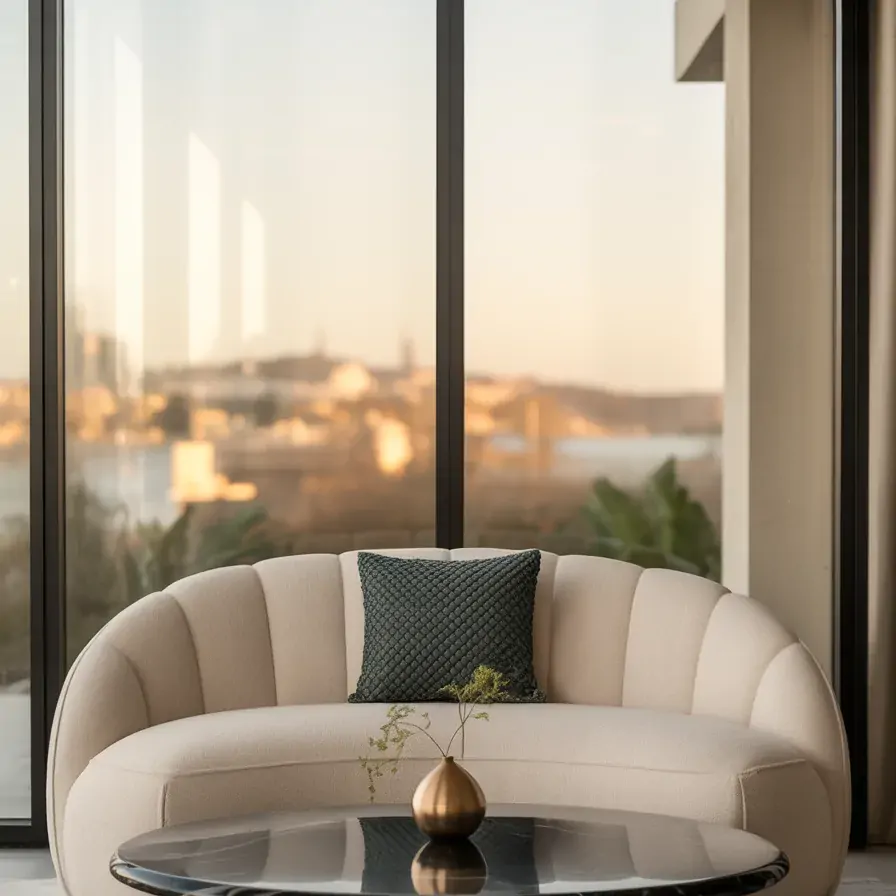
The best conservatory ideas start with comfort rather than decoration. A glass room can be wonderful on a bright spring morning and unusable on a hot July afternoon or a dark January evening, so the first decisions are about controlling heat, glare and cold. Once the room is comfortable, give it one clear purpose, choose a floor and furniture that cope with strong sunlight, and link its colours to the rooms it opens from so it feels part of the house.
Decide What the Conservatory Is For
Many conservatories end up as a storage room for spare chairs and the dog's bed because nobody decided what they were meant to be. Choose one main job. A garden sitting room, a dining room, a reading room, a playroom or a quiet place to work all lead to quite different layouts and furniture.
The room's position matters too. A space that opens off the kitchen often works best as a dining area, while one beside the living room suits a second sitting room. If the conservatory has been opened up to the house, treat the two spaces as one plan, and the guide to zoning an open plan living space will help you separate the areas with furniture, rugs and lighting.
Control Heat and Glare First
Glass lets in a great deal of light, and with it heat and glare. Blinds are usually the first answer, and in many conservatories that means blinds for the roof as well as the walls. Pleated and roller blinds fitted close to the glass keep a clean line, while fabric blinds soften the room. The guide to choosing between curtains and blinds explains what each type does well, and the same thinking applies here.
Heating and ventilation deserve as much thought as the furnishings. A room that is too cold in winter or too warm in summer will not be used, however good it looks. Speak to a qualified installer about heating, opening windows and roof options before you spend money on the interior. If you are building a new conservatory or changing an existing one, the Planning Portal explains that a conservatory is treated under the same planning rules as other home extensions, so check what applies to your home first.
Flooring That Copes With Sun and Temperature
A conservatory floor sees strong sunlight, temperature swings and, if it opens to the garden, muddy feet. Stone and porcelain tiles are popular because they are hard-wearing and easy to clean, and they can continue a kitchen floor straight through. Some engineered timber and luxury vinyl products are made for these conditions, but suitability varies by product, so check the manufacturer's guidance, especially if you plan underfloor heating.
A large rug warms up a hard floor and makes a seating area feel settled. Choose one that will tolerate sunlight, as many natural dyes fade. The guide to the best flooring for each room covers how to match a floor to the wear it will get.
Furniture That Stands Up to Sunlight
Strong daylight fades fabric and dries out some timbers. Look for upholstery in fabrics sold as light-resistant or suitable for sunny rooms, and avoid placing a favourite antique piece where the sun falls on it all day. Rattan, cane and painted or oiled timber suit the garden feel of a conservatory and are lighter to move around than heavy upholstered pieces.
Comfort still matters. A sitting room in glass needs proper seats with good cushions, not just occasional chairs. If the room is for dining, an extending table lets you use the space every day and still seat more people when the weather is good.
How Do You Make a Conservatory Feel Part of the House?
Link it to the room it opens from. Carry the same floor through where you can, repeat a colour or two from the neighbouring room in the fabrics and accessories, and use a similar style of furniture. When the views between the two rooms feel connected, the conservatory reads as an extension of the home rather than an add-on.
The walls you can paint are often limited to the house wall itself, so make that wall count. A considered colour there, chosen alongside the adjoining room, does a lot of work. The guide to choosing a colour scheme for your home explains how to build a palette that flows from room to room.
Lighting for After Dark
A conservatory can feel cold and exposed at night, when the glass turns black and reflects the room back at you. Table and floor lamps give a warmer, lower light than a single ceiling fitting, and wall lights on the house wall add a soft glow. Blinds drawn in the evening help too. The guide to layering lighting in a luxury home shows how to combine ambient, task and accent light so a room works after sunset.
Plan Sockets, Storage and the Garden Door
Small practical details decide whether a conservatory gets used. Lamps need sockets, and in a room with glass walls there are few places to put them, so plan floor sockets or sockets on the house wall before the floor goes down. Think about where a laptop or a reading lamp will sit.
If the conservatory is the main way into the garden, it needs somewhere for boots, coats and a doormat, or that clutter will spread across the room. A low cupboard or bench with storage against the house wall keeps it out of sight without blocking the view. Keep the route from the house door to the garden door clear of furniture.
Plants, Styling and the View
Plants are a natural fit, but choose varieties that suit a bright, warm room and group them rather than scattering pots along every sill. Keep the view to the garden as the focal point. Arrange the seating to face it, keep tall furniture against the house wall and let the glass do its job. If the conservatory opens onto a terrace, plan the two together so the inside and outside feel like one space.
Pulling Your Conservatory Ideas Together
The conservatory ideas that last are the practical ones: sort out heat, glare and cold first, give the room a clear purpose, choose a floor and furniture that can take the sun, and link the colours to the house. Get those right and a glass room becomes somewhere you use all year rather than only on a mild afternoon. For help planning a conservatory as part of a wider project, see residential interior design in Chelmsford.