
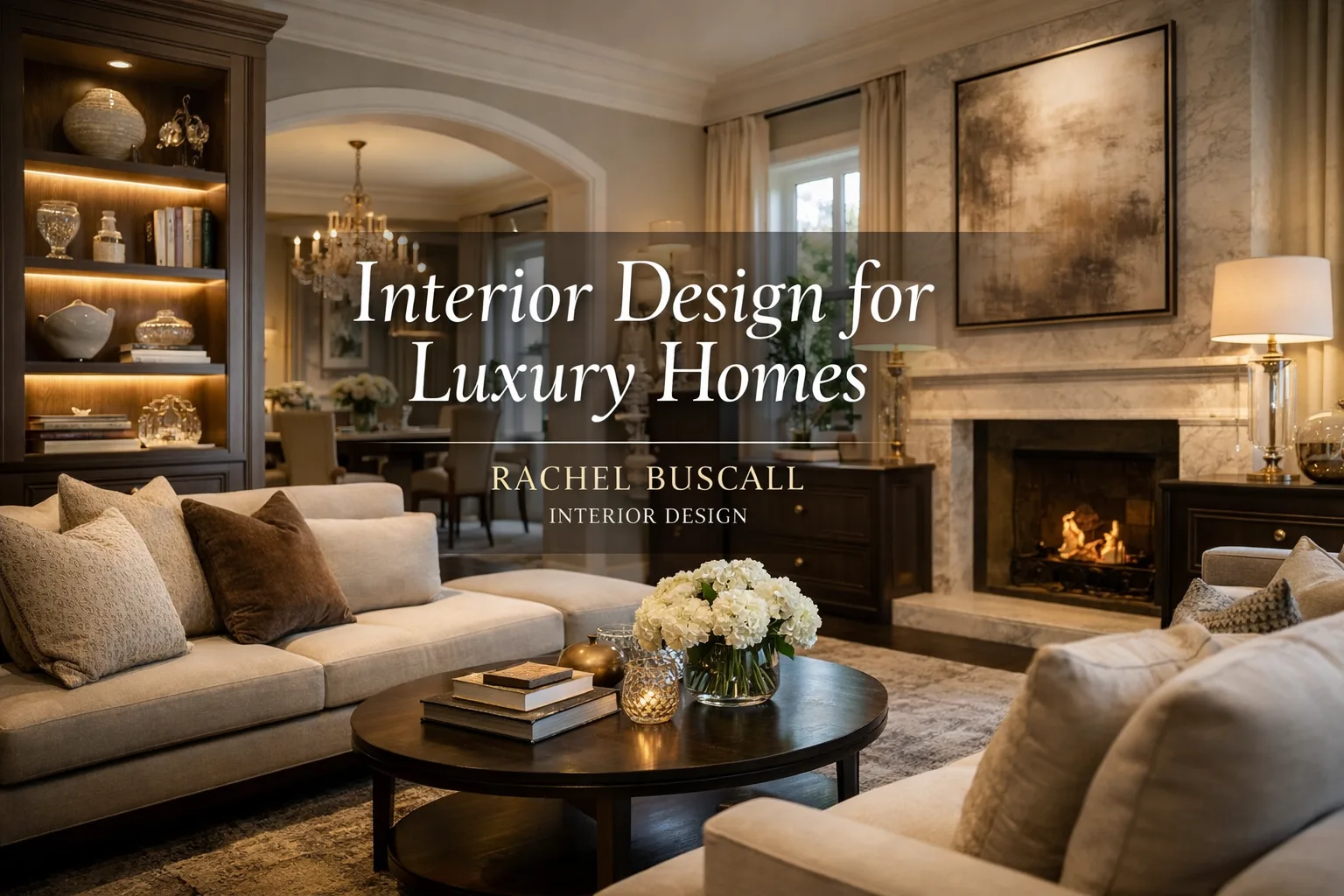
Luxury has very little to do with what a room cost and a great deal to do with what you cannot see in a photograph: the joinery, the proportions, the way the light is controlled.
What luxury looks like in a home
I'd define it as intention. Every material, layout decision and detail is there for a reason, whether the reason is comfort, function or a feeling you want the room to give. Excess has nothing to do with it.
In practice a luxurious home usually shows these things:
- A plan that makes the rooms flow and work for the people living in them
- Materials chosen to last as well as to impress
- Fitted and made-to-measure pieces that suit the household
- One consistent look that does not chase the latest trend
- Details that hold up under daily use
Balance, proportion and craftsmanship carry more weight than novelty.
Where quality hides: joinery, finishes and fittings
Run your hand along a cupboard door. Look at the gaps between panels, the weight of a hinge, the way a drawer closes. These are the details that separate a well-made house from an expensively furnished one, and none of them shows up in a showroom photograph.
Solid timber, real stone and good textiles cost more at the start, and they earn it back by looking better for longer. Bespoke joinery and fitted furniture is often where a luxury scheme is won or lost, because it fixes the proportions of a room for decades.
Why timeless beats trendy when value matters
A trend is a loan you repay in three years, when the room needs redoing. A calm, well-proportioned scheme in good materials ages better, and it appeals to a wider range of future buyers.
I'd stay cautious about promises. No designer can guarantee a rise in value, and the effect depends on the market, the property and the starting point. What good design can do is stop a house losing appeal through dated finishes and poor layouts. The page on whether interior design increases property value covers the evidence in more detail.
Quiet luxury: storage, sound and light
The most expensive-feeling homes are often the ones where nothing is in the way. Deep drawers, fitted wardrobes and a utility room keep daily clutter out of sight. Solid doors and good floors keep sound under control. Lighting that can be dimmed, zoned and lowered in the evening does the rest. None of it photographs well. You notice its absence the day you move out.
Make it personal, but leave your options open
High-end homes should never feel generic, and they should tell you something about the people who live there. My rule is to keep the base calm and put the personality in one or two strong gestures: a colour in a single room, a collection, an unusual piece of art. Those are easy to change if you sell. A whole house built around one taste is much harder to hand on.
Let the property and its setting decide
A design should answer the house it is in. A Victorian terrace in Essex, a new build on the edge of Chelmsford and a London flat each want different proportions, colours and materials. Working with the architecture, in light, texture and palette, makes a room feel as though it belongs there. Working against it usually shows.
If you own to let or to sell, decide where luxury earns its keep
Investors need to ask a harder question: who is this for? A tenant or buyer will not care about your favourite plaster finish, but they will notice a good kitchen, sound storage and light that works. Spend where the next occupant will feel it, and be disciplined about the rest. Interior design for property investors goes through how to set that budget.
Whatever the property, decide how long you will own it before you specify anything. A house you will keep for twenty years justifies different choices from one you will sell in three, and once you know which it is, talk through my home with me.