
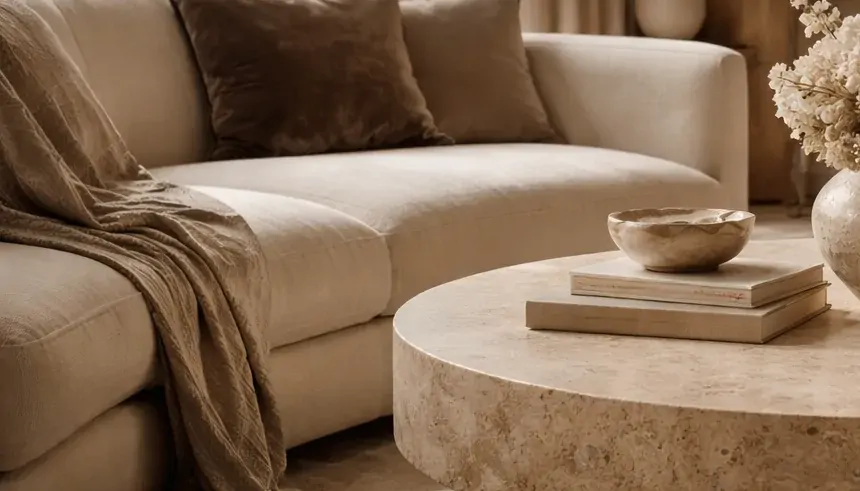
The best snug room ideas are about enclosure and comfort: a small room, deep seating, warm and low lighting, a rich colour on the walls and plenty of soft textiles. A snug is a second, smaller sitting room built for reading, films and quiet evenings, and it works because it feels the opposite of a big, bright living room. Choose the right room, give it one generous piece of seating, light it with lamps rather than a ceiling light and let colour and fabric do the rest.
What Is a Snug, and Why Have One?
A snug is a small, informal sitting room, usually tucked away from the main living space. It is the room you retreat to when the kitchen and family room are busy, or when you want an evening with a book or a film without the whole household passing through.
In many homes, the snug is the answer to an open plan ground floor. Open plan living suits cooking and entertaining, but it can leave nowhere to escape to. A snug gives you a door you can close. My guide to zoning an open plan living room covers the big shared space; a snug is the counterpart to it.
Choosing the Right Room
Small rooms make the best snugs. The second reception room at the front of a period house, a small room off the kitchen, a room under a mezzanine or a spare bedroom can all work. What matters is that the room feels separate, has space for a generous sofa or a pair of deep chairs, and is somewhere the household will actually use.
Think about the time of day you will use it. A room that gets little daylight can still make an excellent snug, because it will be used mostly in the evening and its character comes from lamplight and colour rather than sunshine.
Seating Comes First
A snug is built around its seating. One large, deep sofa or a corner sofa that fills the room usually works better than several smaller pieces. Look for a deep seat, a low back you can lean into and arms wide enough to rest a cup on. Add a footstool or ottoman, which doubles as a table with a tray on top.
If the room is too small for a sofa, two deep armchairs facing each other, or one chair with a footstool beside a fire or a window, can make a perfect reading snug. My guide to the best sofa brands in the UK covers how to judge comfort and build quality before you buy.
Colour: Go Deeper Than You Would Elsewhere
A snug is the room where deep colour makes the most sense. Rich greens, inky blues, warm browns, terracotta and plum all make a small room feel enveloping rather than cramped. Painting the walls, woodwork and even the ceiling in the same colour, or in close tones of it, removes hard edges and makes the room feel cocooning.
Test colours in the room itself and look at them by lamplight as well as daylight, because a snug is mainly an evening room. My guide to choosing a colour scheme sets out how to build a palette. A flat matt finish usually suits deep colour best, because it absorbs light rather than reflecting it, though wipeable finishes are worth considering on woodwork.
Light It Low and Warm
Overhead light is the enemy of a snug. A single central light flattens the room and makes it feel like an office. Instead, use several lamps at different heights: a floor lamp beside the sofa for reading, table lamps on side tables, and perhaps a picture light or wall lights to add a glow to the walls. Warm bulbs and dimmers make an enormous difference.
If you are rewiring or decorating, plan sockets where the lamps will go so cables do not trail across the floor. My guide to layering lighting explains how ambient, task and accent light work together.
Textiles Make It Cosy
Soft materials are what turn a small room into a snug. A large rug underfoot, lined curtains that close fully, cushions in a mix of textures and a throw or two over the sofa all add warmth and quiet. Velvet, wool, bouclé, linen and leather all sit well together when the colours are related.
Pattern can work beautifully in a snug, on curtains, cushions or even wallpaper, as long as it is controlled. My guide to mixing patterns and textures explains how to vary scale so pattern feels rich rather than busy.
Fires, Screens and Books
A real fire or stove is the ultimate snug feature, but it needs a qualified installer and the right flue, so take professional advice before you plan around one. Where a fire is not possible, a fireplace with candles or a lamp-lit alcove can give the room a similar focal point.
If the snug will double as a television room, think about where the screen goes before you place the sofa. A cabinet with doors or a joinery unit that hides the screen helps the room feel restful when it is off. For a room that is mainly about films, my guide to media room design covers glare, sound and seating in more detail.
Books, a few pieces of art and objects that mean something to you finish the room. A snug should feel personal, so this is the place for the things you love rather than the things that look good in photographs.
Bringing These Snug Room Ideas Together
A good snug is a small room that does one job well: it makes you want to sit down and stay. Start with the seating, add deep colour, light it low, layer the textiles and keep the screen in its place. These snug room ideas work in a period house, a new build or a converted barn. If you would like help turning a spare room in Chelmsford, Essex or London into one, see how bespoke interior styling works, or tell me about the room.