
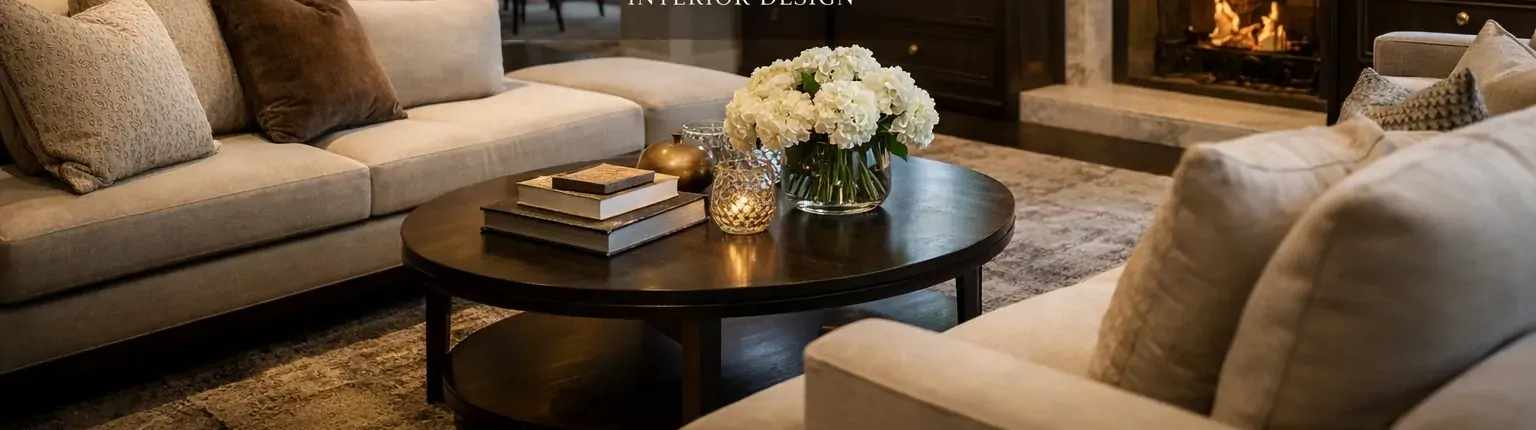
Knowing how to choose a coffee table starts with the sofa, not the showroom. A widely used rule of thumb is a table around two thirds the length of the sofa, a top roughly 5 to 10cm lower than the seat cushions, and 35 to 45cm of clear space between the two, as set out in this coffee table dimensions guide from Castlery. Once the size is right, choose the shape for the way people move around the room and the material for the way you live.
What Size Coffee Table Do You Need?
Measure the sofa from arm to arm and aim for a table about two thirds of that length. A long three-seater can take a longer table, while a compact two-seater wants something smaller. If you have a corner sofa, measure the longer run and check that the table still leaves a clear route to every seat.
Proportion matters more than any single number. A table that is too small floats in front of a big sofa and looks like an afterthought. One that is too large blocks the way to the seats and turns every trip to the window into a sideways shuffle. Before you order, mark the size on the floor with masking tape and live with it for a day or two. You will know quickly whether it feels generous or cramped.
Getting the Height Right
Height is the measurement people most often skip. A coffee table works best when its top sits a little below the seat cushions of the sofa, so a cup or a book is within easy reach from a seated position. The same guide suggests a top about 5 to 10cm lower than the cushions. Very low tables can look elegant in photographs, but they ask you to lean forward every time you reach for something, and that gets old quickly.
Deep, low lounge sofas suit a lower table, while upright sofas with firm seats suit something a little taller. Measure the seat height of your own sofa with the cushions in place, as sofa listings do not always give it.
How Much Space to Leave Around It
Leave enough room between the sofa and the table to sit down and stand up without knocking your shins, yet close enough to reach a drink. The 35 to 45cm gap mentioned above is a sensible starting point. Around the other sides, keep the routes people actually walk wide and easy, especially the path from the door to the seating and to any window or fireplace.
In a small sitting room, it can be better to choose a narrower table than to squeeze the walkways. The ideas in this guide to making the most of a small property apply here too: furniture with clear legs or a slim profile keeps the floor visible and the room feeling larger.
Round, Square, Rectangular or Oval?
A rectangular table is the natural partner for a straight sofa. It mirrors the long line of the seat and gives everyone on the sofa a surface in reach. An oval does much the same job with softer corners, which helps in a busy family room where people brush past.
Round tables suit a group of chairs, a curved sofa or a tight layout where corners would get in the way. They also break up a room full of straight lines. A square table works in front of an L-shaped or corner sofa, or between a sofa and two facing armchairs, where it can serve everyone equally.
If you are planning the whole seating area at once, think of the table as the centre of the group rather than a separate purchase. The guide to zoning an open plan living space shows how the sofa, rug and table together can mark out a sitting area without walls.
Materials and How They Wear
The top of a coffee table takes more handling than almost any other surface in a living room. Mugs, feet, books, laptops and children's games all land on it. Choose the material for how the room is really used.
Solid timber is forgiving. Marks can often be sanded and refinished, and it gains character with age. Stone and marble look beautiful and feel substantial, but many stones mark easily and need sealing, so check the care advice before you buy. Glass and acrylic keep sightlines open in a small room, though they show fingerprints and need regular cleaning. Metal frames with a timber or stone top are a good middle ground, light in appearance and sturdy in use.
A coffee table is also a chance to bring in a contrasting texture. A rough timber or honed stone top beside a smooth velvet or linen sofa adds interest without more pattern. The guide to mixing patterns and textures explains how to balance those contrasts so the room feels layered rather than busy.
Storage, Nests and Alternatives
If remote controls, chargers and magazines tend to pile up, a table with a lower shelf or drawers keeps the top clear. A lift-up top can hide board games or blankets. In a room that needs to change shape, a nest of tables or a pair of smaller tables gives you flexibility: pull them together for an evening with friends and move them apart for everyday use.
An upholstered ottoman can work in place of a table, particularly in a snug or family room, and it adds extra seating. Put a large tray on top so cups have a stable place to sit.
Fitting It With the Rug and the Rest of the Room
A coffee table and rug work as a pair. The table should sit fully on the rug, with the front legs of the sofa and chairs on it too where possible. The guide to choosing the right rug size covers that relationship in detail.
Think about scale against the other pieces as well. A heavy, solid table beside a chunky sofa can make a room feel crowded, while a slimmer table with legs lets the floor show through. Repeating a material elsewhere in the room, such as matching the timber of the table to a sideboard or picture frames, helps everything look chosen together rather than bought piece by piece.
How to Choose a Coffee Table: The Short Version
Getting the choice right comes down to a few checks in order: length against the sofa, height against the seat, space to move around it, a shape that suits the layout and a top that can handle daily life. Measure, tape it out on the floor and only then fall in love with a design. That is how to choose a coffee table you will still like in ten years. If you would rather have the whole room planned and furnished for you, bespoke interior styling in Chelmsford covers choosing and placing the furniture, accessories and finishing pieces.